Single Pitch Instructor Program
About
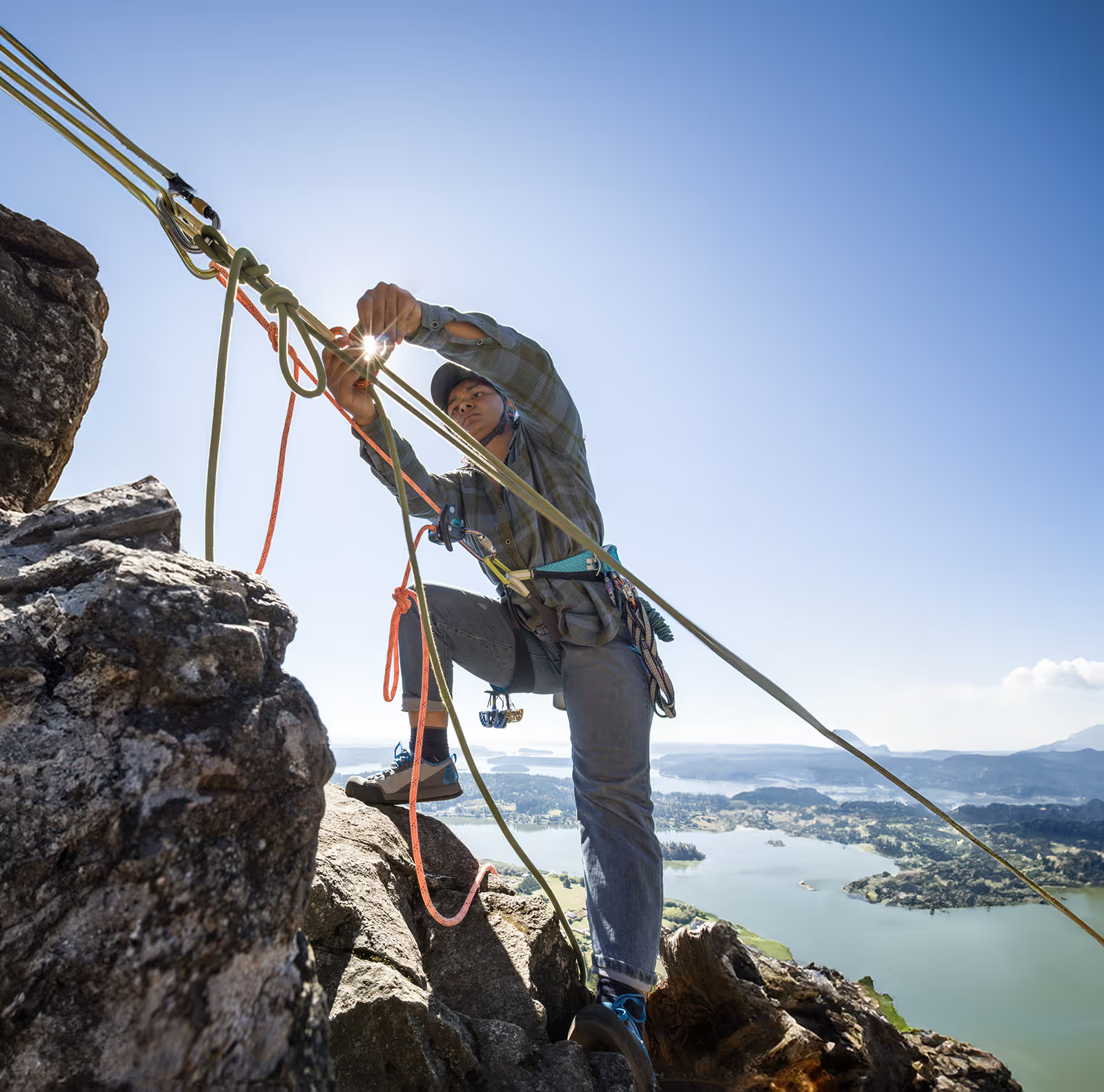
The AMGA Single Pitch Instructor (SPI) program, established in 2008 and endorsed by the UIAA in 2009, is the only internationally recognized certification for single-pitch climbing instruction in the U.S. Designed for experienced climbers ages 18 and older, the program trains and certifies instructors to teach rock climbing in a single-pitch setting, covering risk management, technical systems, and teaching techniques. With over 18,000 participants since its inception, the SPI program serves as a key step toward professional guiding and advancement to the AMGA Rock Guide Course.
Program Overview

Program Details
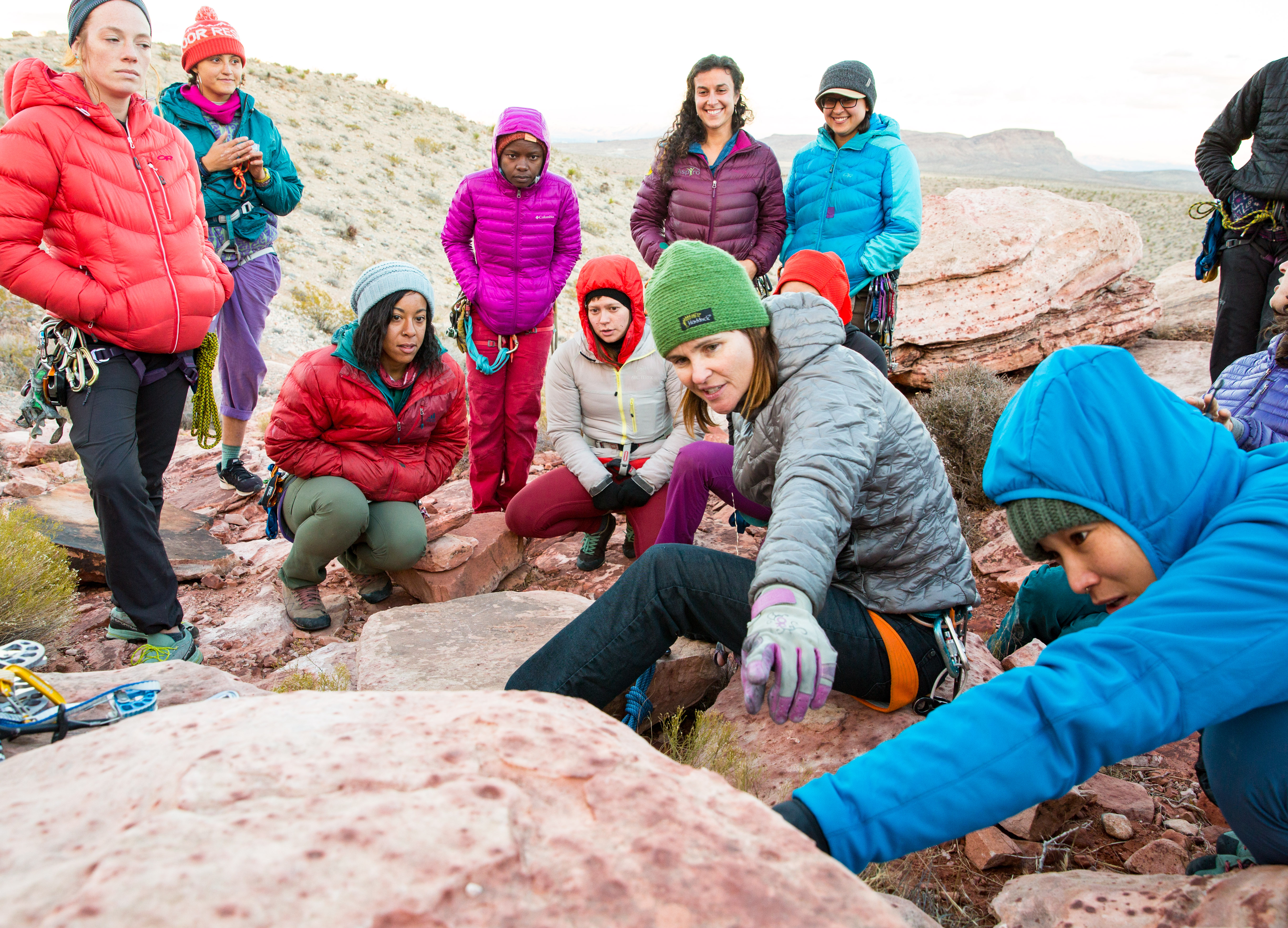
The SPI Course is a 27-hour training course that typically runs as three consecutive nine-hour days or a mix of day classes with evening sessions. This program is the first step in earning one’s SPI certification and completion of the SPI Course is required prior to pursuing the SPI Exam. The SPI Course has a sunset time of two years. After two years, if the SPI Course graduate has not passed an SPI Exam, they will need to retake the SPI Course prior to pursuing the SPI Exam. There is no minimum time frame between successful completion of the SPI Course and when you can participate in the SPI Exam, as long as the candidate meets the prerequisites for the SPI Exam. Most successful candidates practice their skills for 3-6 months prior to taking the SPI Exam.
Candidates who are unsure of their qualifications would benefit from reaching out directly to the program provider teaching the program. The provider will have good insights into steps towards preparing for the SPI Course. Alternatively, hiring an AMGA Certified Multi-Pitch Instructor, Rock Guide, or Mountain Guide to evaluate and enhance their skill level prior to enrollment in an SPI Program may be necessary.
- Have a genuine interest in rock climbing and instructing on single pitch crags.
- Are at least 18-years old at the time of the course.
- Have at least 12 months prior outdoor climbing experience.
- Are active climbers with traditional anchor building and traditional lead climbing experience (leader placing pro).
- Have traditionally led a minimum of 15 rock climbing routes (any grade).
- Single pitch traditional lead climbing with traditional anchor building is preferred. A multi pitch route would meet one of the fifteen requisite route requirements and does not count towards multiple routes.
- Are capable of comfortably climbing 5.8 while on a top rope.
The SPI Exam is a minimum of 16 hours run over a two-day period. Candidates may enroll in an SPI Exam within two years of completing an SPI Course and meeting all Exam prerequisites, including required post-course resume experience. Most successful candidates spend an additional 3-6 months practicing, teaching, and refining their skills prior to taking the SPI Exam.
First aid training is not a pre-requisite for participation in an SPI course or exam. However, once an AMGA member is certified as an AMGA Single Pitch Instructor, they must hold a medical certification for the location in which they will be working. The level of medical certification needed will depend on the requirements set by the guide service and the land management agency where the programming is conducted. It is the responsibility of individual instructors to maintain appropriate medical certification.
Candidates meet the SPI Exam prerequisites if they:
- Course completion
- Have successfully completed an AMGA Single Pitch Instructor Course within the past two years.
- For SPI recertification candidates, certification must be current or within one year of expiration.
- Traditionally led climbing experience
Have traditionally led a minimum of 40 rock climbing routes, including:- At least 15 routes completed after the candidate’s most recent SPI program (course or exam)
- At least 5 top-managed routes
- Post-program instructional climbing as outlined below:
- SPI Course graduates: of the 15 post-program routes, at least 5 must be mock instruction
- SPI recertification candidates: of the 15 post-program routes, at least 5 must be mock or paid instruction
- Leading ability (demonstrated during the exam)
- Be capable of comfortably lead climbing (leader placing their own protection) on any 5.6 traditional route.
- Candidates will demonstrate their leading ability on a variety of routes during the assessment.
- Top-rope climbing ability (demonstrated during the exam)
- Be capable of comfortably climbing 5.8 on top rope.
- Candidates will demonstrate top-rope climbing ability during the assessment.
Experience Considerations & Resume Notes
The following items clarify how route experience is evaluated and what constitutes a complete SPI Exam resume:
- Candidates are strongly encouraged to have substantial experience at the 5.6 grade and above, and to have climbed in varied locations and on a variety of rock types, as this breadth of experience supports success during the SPI Exam.
- Multi-pitch routes may be included; however, each multi-pitch climb counts as one route, regardless of the number of pitches. The requirement is 40 routes, not 40 pitches.
- All routes must be led clean by the candidate.
- Routes must have been completed within four years of the SPI Exam date.
Upcoming Programs
Single Pitch Instructor Program
Contact the AMGA national office to apply to our Provider Programs.
Climbing Wall Instructor Program
Train to manage and instruct at indoor or artificial climbing wall facilities.